
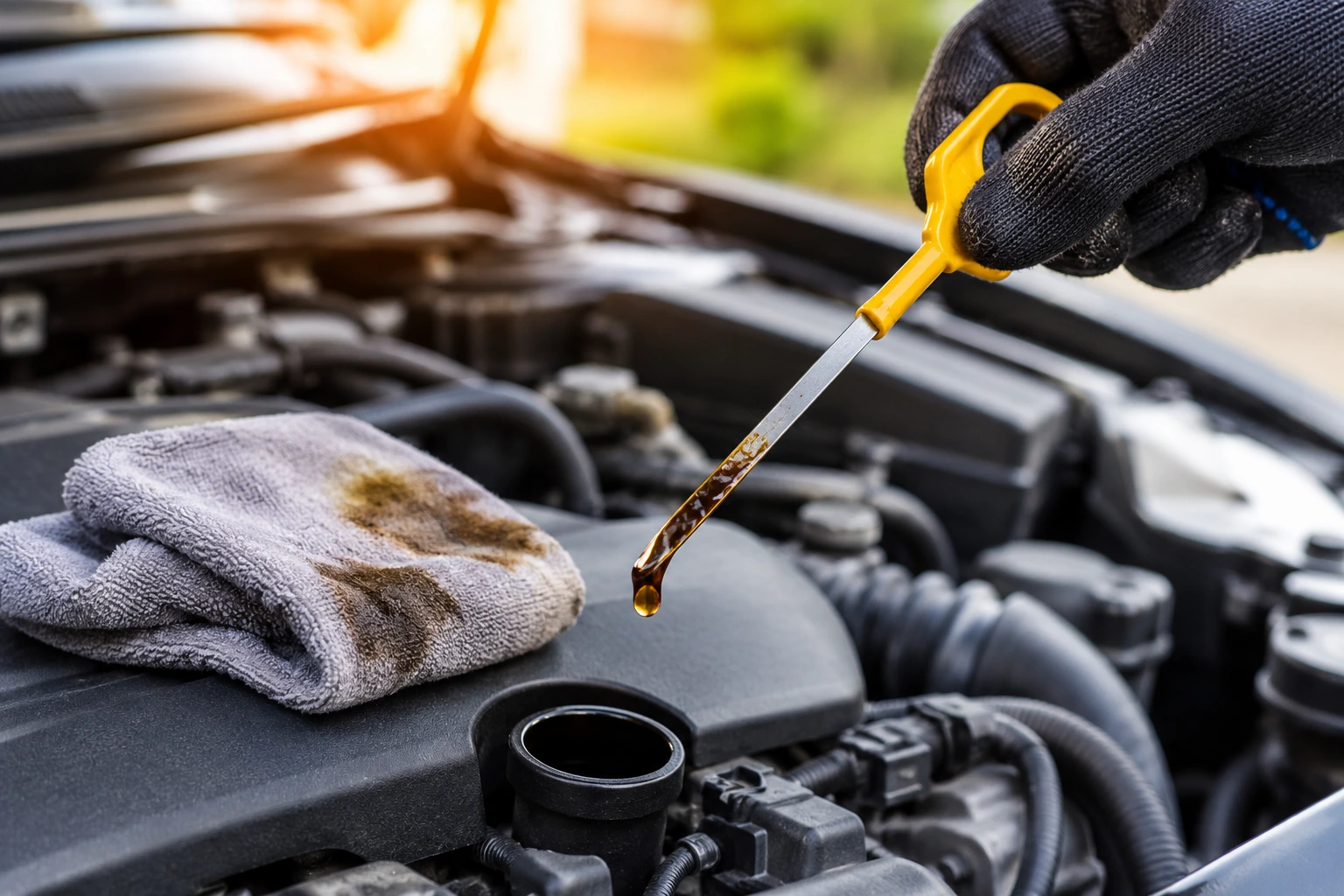
Engine oil plays an essential role in keeping your vehicle’s engine running smoothly and efficiently. It lubricates moving engine components, reduces friction, controls operating temperatures, and helps remove dirt and contaminants. Without proper engine oil maintenance, your vehicle may experience increased wear, reduced performance, and potentially expensive engine damage.
In Qatar, high temperatures, heavy traffic, and frequent stop-and-go driving can place additional demands on engine oil. This makes regular oil inspections and timely oil changes particularly important for maintaining vehicle performance.
However, many drivers overlook the early warning signs that indicate their engine oil needs replacing. Recognising these signs can help prevent major mechanical problems and keep your vehicle running reliably.
In this blog, we explore 10 early warning signs that indicate your engine oil may need replacing and why regular engine oil maintenance matters.
1. Dark and Dirty Engine Oil
One of the easiest ways to identify old engine oil is by checking its colour and condition. Fresh engine oil is generally amber or golden in colour, depending on its formulation. As it circulates through the engine, it collects dirt, carbon deposits, and other contaminants, gradually becoming darker.
Dark oil alone does not always mean it needs replacing, as some oils darken quickly during normal operation. However, if the oil appears excessively dirty, thick, or contaminated, it may indicate that an oil change is due.
What you should do: Check your engine oil using the dipstick and follow the manufacturer’s recommended oil change intervals.
2. Engine Oil Warning Light Appears
The engine oil warning light is an important indicator that should never be ignored. If the oil pressure warning light appears on your dashboard, it may indicate low oil pressure, insufficient oil levels, or a lubrication system problem.
Continuing to drive with low oil pressure can cause serious engine damage because important components may not receive sufficient lubrication.
What you should do: Stop the vehicle safely and switch off the engine if the oil pressure warning light stays illuminated. Check the oil level when safe. If the warning remains or the oil level is normal, arrange professional inspection rather than continuing to drive.
3. Unusual Engine Noise
Engine oil creates a protective lubricating layer between moving components. When oil becomes degraded or insufficient, friction between engine parts can increase.
You may notice unusual sounds such as:
- Tapping noises.
- Knocking sounds.
- Metallic rattling.
- Increased engine noise during acceleration.
These sounds may indicate lubrication problems or other mechanical issues. Not every engine noise is caused by old oil, so professional diagnosis is important.
What you should do: Check your oil level and condition. If unusual noises continue, have your vehicle inspected by a qualified mechanic.
4. Excessive Engine Heat
Engine oil does more than lubricate moving components. It also helps absorb and transfer heat away from engine parts.
When oil becomes degraded or its level drops significantly, its ability to lubricate and support heat transfer may be reduced. This can contribute to increased engine temperatures.
If you notice the temperature gauge rising above its normal range, investigate the problem immediately. Engine overheating can also result from coolant leaks, radiator problems, or thermostat failure.
What you should do: Stop driving if the engine overheats and allow it to cool safely. Never open a hot radiator cap. Arrange an inspection to identify the actual cause.
5. Burning Oil Smell Inside or Around the Vehicle
A noticeable burning oil smell can indicate that engine oil is leaking onto hot engine components or that oil is burning inside the engine.
Common causes include damaged seals, worn gaskets, loose connections, or internal engine problems.
Although an oil change may be necessary if the oil is degraded, replacing the oil alone will not resolve an active leak or internal oil-burning issue.
What you should do: Check for visible oil leaks and arrange a professional inspection if the burning smell continues.
6. Reduced Engine Performance
If your vehicle feels less responsive than usual, old or unsuitable engine oil could be one of the contributing factors.
Engine oil helps minimise friction between moving components. When it becomes contaminated or loses some of its lubricating properties, engine components may experience increased friction, potentially affecting overall performance.
You might notice:
- Slower acceleration.
- Reduced engine responsiveness.
- Rough engine operation.
- Increased engine noise.
- Poor overall driving performance.
Other mechanical issues can also cause these symptoms, so checking the engine oil is a good starting point.
What you should do: Inspect the oil level and condition, and replace the oil according to your vehicle manufacturer’s recommendations.
7. Increased Fuel Consumption
Have you noticed that your vehicle is consuming more fuel than usual? Engine oil condition could be one factor worth investigating.
When engine oil becomes degraded or unsuitable for the engine, increased friction may affect engine efficiency. This can contribute to higher fuel consumption in some situations.
However, poor fuel economy can also result from incorrect tyre pressure, faulty sensors, clogged air filters, or other mechanical issues.
What you should do: Maintain the recommended engine oil change schedule and check other vehicle components if fuel consumption remains unusually high.
8. Low Engine Oil Level
Regularly checking your engine oil level is one of the simplest ways to protect your vehicle.
A low oil level can result from oil leaks, internal oil consumption, or insufficient oil during servicing. When the level drops below the recommended range, engine components may not receive adequate lubrication.
Driving with insufficient engine oil can increase friction, overheating, and the risk of serious mechanical damage.
What you should do: Park your vehicle on level ground, switch off the engine, and allow the oil to settle before checking the dipstick according to the manufacturer’s instructions. Top up with the correct oil specification if necessary. If the level keeps dropping, arrange an inspection.
9. Exhaust Smoke or Unusual Exhaust Emissions
Excessive exhaust smoke can sometimes indicate that engine oil is entering the combustion chamber and burning along with the fuel.
Blue or bluish-grey exhaust smoke is commonly associated with burning engine oil. This may happen because of worn piston rings, valve seals, or other internal engine problems.
Although changing engine oil is important for maintenance, it will not necessarily solve the underlying mechanical issue.
What you should do: If you notice persistent blue smoke, check the oil level and have your vehicle inspected by a qualified technician.
10. Your Vehicle Has Reached Its Recommended Oil Change Interval
One of the most important signs that your engine oil needs replacing is reaching the manufacturer’s recommended oil change interval.
Engine oil gradually loses its effectiveness as it accumulates contaminants and experiences repeated heating and cooling cycles. Even if your vehicle does not show obvious warning signs, delaying an oil change can affect long-term engine health.
Oil replacement intervals depend on several factors, including:
- Vehicle make and model.
- Engine type.
- Oil grade and specification.
- Driving conditions.
- Mileage and operating hours.
- Manufacturer maintenance recommendations.
In Qatar, high temperatures and frequent stop-and-go traffic may make it particularly important to follow the manufacturer’s severe-driving maintenance schedule where applicable.
What you should do: Check your vehicle’s service manual and replace engine oil and the oil filter at the recommended intervals.
Why Regular Engine Oil Replacement Is Important
Regular engine oil replacement is essential for maintaining vehicle performance and preventing unnecessary engine wear.
Here are some important benefits:
Better Engine Lubrication
Fresh engine oil helps create a protective film between moving components, reducing friction and supporting smoother engine operation.
Improved Engine Performance
Using the correct oil specification helps maintain proper lubrication and supports efficient engine operation.
Better Temperature Management
Engine oil helps transfer heat away from moving components, supporting the engine’s overall temperature management system.
Reduced Engine Wear
Replacing contaminated or degraded oil helps protect important engine components from excessive friction and premature wear.
Longer Engine Life
Following the recommended maintenance schedule helps reduce avoidable engine problems and supports long-term vehicle reliability.
How to Choose the Right Engine Oil for Your Vehicle
Not all engine oils are suitable for every vehicle. Choosing the correct oil is important for maintaining engine performance and meeting manufacturer requirements.
Consider these factors before purchasing engine oil:
- Oil viscosity: Check the recommended viscosity grade, such as 5W-30 or 10W-40, in your vehicle manual.
- Oil specifications: Ensure the oil meets the manufacturer’s required API, ACEA, or other relevant specifications.
- Engine type: Select oil suitable for your petrol, diesel, or other engine configuration.
- Driving conditions: Consider your typical driving environment and maintenance requirements.
- Product quality: Choose genuine engine oil from reliable suppliers.
Conclusion
Engine oil is one of the most important fluids in your vehicle, and ignoring its condition can lead to unnecessary engine wear and expensive repairs. From dark and dirty oil and unusual engine noises to increased fuel consumption and dashboard warning lights, recognising these early warning signs can help you take timely action.
Regular oil inspections, using the correct oil specification, and following recommended replacement intervals are essential for keeping your engine in good condition.
Orientech WLL provides automotive products and solutions, including lubricants and engine oils, for customers in Qatar. With over 15 years of industry experience and a wide range of automotive offerings, Orient Tech helps customers explore suitable products for their vehicle maintenance requirements. Choose the right engine oil and follow a regular maintenance schedule to support reliable vehicle performance.