
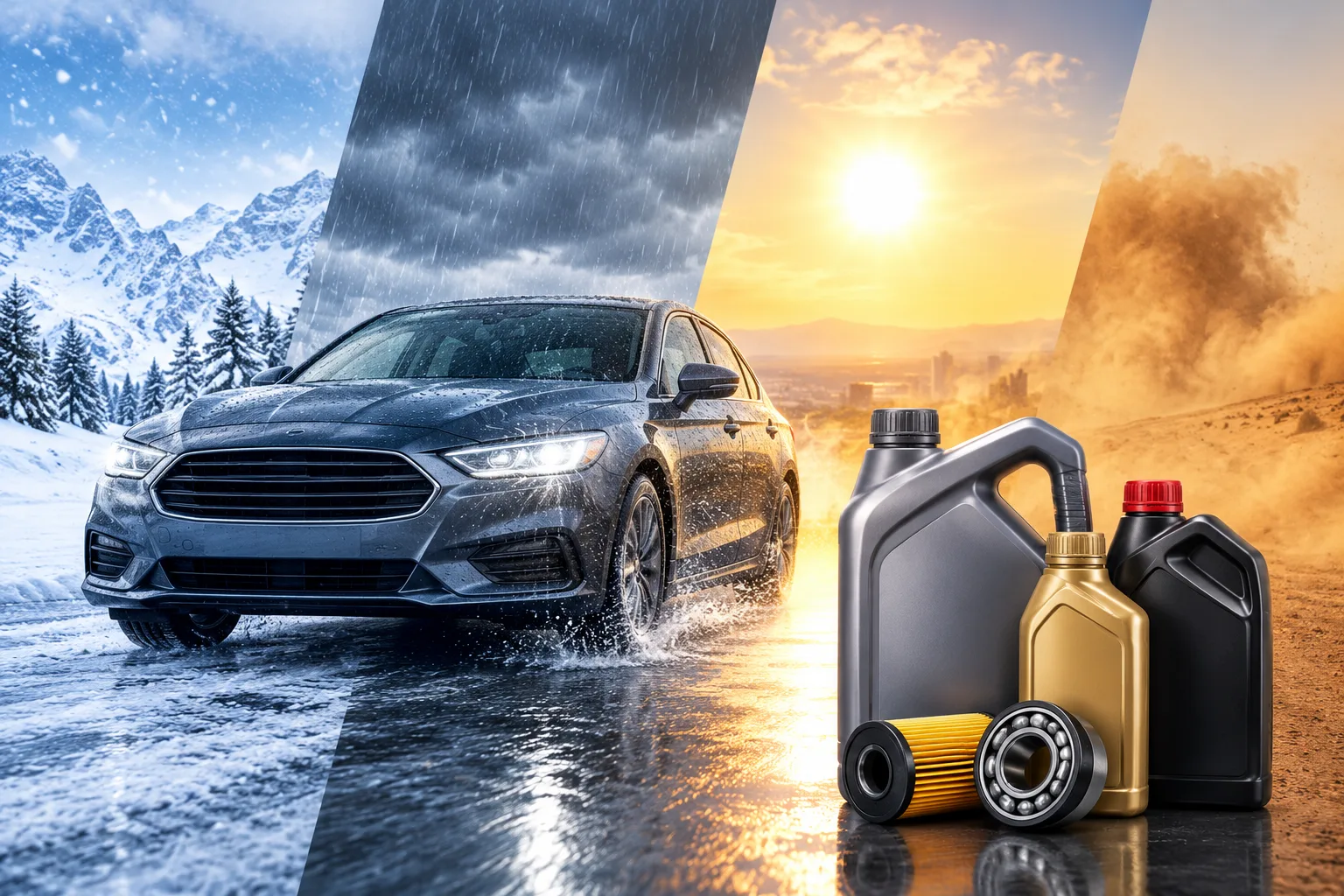
Extreme weather conditions can put significant pressure on a vehicle’s engine and other mechanical components. In hot climates like Qatar, high temperatures, heavy traffic, and long-distance driving can increase engine operating temperatures and place additional demands on lubricants. Choosing the right car lubricant is essential for maintaining engine performance, reducing friction, and protecting important components from premature wear.
Engine oils, transmission fluids, greases, and other automotive lubricants each play a specific role in keeping a vehicle running smoothly. However, not every lubricant is suitable for every vehicle or climate. Understanding the different types of lubricants and their benefits can help drivers make informed maintenance decisions and extend the service life of their vehicles.
Why Are Car Lubricants Important in Extreme Weather?
Car lubricants reduce friction between moving parts, helping minimise wear and supporting efficient mechanical operation. They also help manage heat, protect metal surfaces, and keep certain engine components clean.
In extreme heat, engine oil must maintain sufficient viscosity and a protective film despite elevated temperatures. Poor-quality, degraded, or unsuitable oil may provide inadequate protection under demanding conditions. Similarly, cold weather can affect oil flow during engine startup, making the correct viscosity important in colder climates.
Using lubricants that meet the vehicle manufacturer’s specifications helps protect the engine, support fuel efficiency, and maintain reliable performance across changing driving conditions.
Types of Lubricants Suitable for Extreme Weather
Fully Synthetic Engine Oil
Fully synthetic engine oil is engineered to provide consistent lubrication and reliable performance across a range of operating temperatures. Depending on its formulation, it can offer strong resistance to oxidation, sludge formation, and thermal breakdown.
For drivers who frequently travel in hot climates, experience stop-and-go traffic, or undertake long journeys, a suitable synthetic oil may provide valuable engine protection. However, the oil must meet the manufacturer’s viscosity and performance requirements.
Semi-Synthetic Engine Oil
Semi-synthetic oil combines conventional base oils with synthetic components. It can offer a balance between cost and performance for vehicles that are compatible with this type of lubricant.
It may suit everyday driving and moderate operating demands, provided it meets the vehicle manufacturer’s recommendations. Drivers should compare the required oil specifications rather than choosing a product based only on price.
Mineral Engine Oil
Mineral engine oil is refined from petroleum-based base oils and is suitable for certain engines when specified by the manufacturer. Although it may be appropriate for some vehicles, its performance characteristics can differ from those of synthetic formulations under demanding temperature conditions.
Always check the owner’s manual before selecting mineral oil, particularly if the vehicle operates regularly in extreme heat.
Transmission Fluids
Transmission fluids lubricate moving parts, help manage heat, and support smooth gear changes. Automatic, manual, and continuously variable transmissions may require different fluid formulations.
Using the wrong transmission fluid can affect shifting performance and potentially damage internal components. Always select a fluid that meets the exact transmission specifications provided by the vehicle manufacturer.
Automotive Greases and Coolants
Automotive greases help lubricate specific components, including suitable bearings, joints, and other moving parts. The correct grease depends on the component’s design, operating temperature, and load.
Engine coolant is different from a lubricant, but it is equally important for thermal management. It helps regulate engine temperature and protect the cooling system against corrosion and freezing, depending on its formulation. Always use a compatible coolant and maintain the recommended coolant level.
How to Choose the Best Car Lubricant for Extreme Weather
Selecting the right lubricant requires more than choosing a popular brand. Consider the following factors before purchasing engine oil or other automotive fluids.
Check the Recommended Viscosity
Viscosity describes how easily oil flows at different temperatures. Grades such as 5W-30, 5W-40, and 10W-40 have different flow characteristics. The correct choice depends on your engine design, climate, and manufacturer’s recommendations. A higher viscosity is not automatically better for hot weather.
Look for the Required Performance Standards
Engine oils are manufactured to meet specific performance standards, such as API and ACEA classifications. Some vehicles also require manufacturer-specific approvals. Check these requirements before buying oil to ensure compatibility and reliable protection.
Consider Your Driving Conditions
Driving in heavy traffic, carrying heavy loads, making frequent short trips, or travelling long distances can place additional demands on a vehicle. If your driving conditions are severe, consult your vehicle manual to determine whether a shorter oil-change interval is recommended.
Choose Quality Products from Reliable Suppliers
Purchase lubricants from reputable suppliers that can provide genuine products suitable for your vehicle. Check product labels, specifications, and recommended applications to avoid using an unsuitable or counterfeit lubricant.
Tips for Maintaining Your Car in Extreme Heat
Choosing suitable lubricants is only one part of vehicle maintenance. Follow these practical tips to keep your car operating reliably in hot conditions:
Check engine oil regularly: Monitor the oil level according to your vehicle manual and look for signs of leaks or unusual oil consumption.
Follow oil-change intervals: Replace engine oil and filters according to the manufacturer’s maintenance schedule, including any severe-service recommendations.
Inspect coolant levels: Ensure the cooling system contains the correct coolant mixture and is maintained properly.
Maintain transmission fluids: Check fluid condition and service requirements according to the manufacturer’s guidance.
Avoid ignoring warning lights: Engine temperature warnings, oil-pressure alerts, and unusual noises should be investigated promptly.
Schedule regular servicing: Routine inspections can help identify leaks, worn components, and other problems before they become more serious.
Never open a hot radiator or coolant reservoir that is under pressure. Allow the system to cool and follow the manufacturer’s safety instructions.
Common Mistakes to Avoid When Choosing Car Lubricants
One common mistake is selecting engine oil based solely on viscosity without checking the required specifications. Another is assuming that every synthetic oil is compatible with every engine.
Drivers should also avoid mixing different fluids unless the manufacturers confirm compatibility. Delaying oil changes beyond recommended intervals can allow contaminants to accumulate and reduce lubrication effectiveness. Finally, using automotive fluids intended for a different application may compromise component performance.
When in doubt, consult a qualified technician or your vehicle manufacturer’s documentation before changing lubricant types.
Conclusion
Choosing the best lubricants for cars driving in extreme weather conditions helps protect engine components, support smooth operation, and maintain vehicle reliability. From fully synthetic and semi-synthetic engine oils to transmission fluids and automotive greases, every product should match the vehicle’s specifications and operating requirements.
For drivers in Qatar, regular maintenance and selecting suitable products are particularly important during periods of extreme heat. Orientech WLL offers a range of automotive oils and lubricants to help customers find suitable solutions for their vehicle requirements.
Frequently Asked Questions
- Which engine oil is best for cars in extreme heat?
The best engine oil is one that meets the vehicle manufacturer’s viscosity, performance, and approval requirements. Suitable synthetic oils may offer additional resistance to oxidation and thermal breakdown.
2. Is fully synthetic oil better than mineral oil in hot weather?
Fully synthetic oil can offer better resistance to oxidation and temperature-related breakdown, depending on its formulation. However, the correct choice depends on the engine’s specifications and manufacturer recommendations.
3. How often should I change engine oil in Qatar?
Follow the oil-change interval specified in your vehicle manual. Heavy traffic, frequent short trips, and severe operating conditions may require more frequent servicing if recommended by the manufacturer.
4. Can I use thicker engine oil during summer?
Not necessarily. Using oil that is too thick can affect circulation and engine performance. Always follow the recommended viscosity grade and required oil specifications.
5. Where can I buy automotive lubricants in Qatar?
You can explore automotive oils and lubricants through Orientech WLL. Check product specifications to find a suitable option for your vehicle.